AEC (Architecture, Engineering, and Construction) companies have progressively moved towards digital workflows. In that effort, CAD (Computer-aided design) tools and CAD conversion services have helped them turn hand-drawn 2D drafts into digital 3D models.
The conversion of 2D drawings to 3D models smoothens the design process and ensures high accuracy to enable a business to visualize and optimize designs prior to actual production. Today, we will take a closer look at the process of CAD conversion and discuss its key benefits in detail.
CAD Conversion: Understanding What It’s All About
CAD conversion refers to the transformation of legacy drawings – hard copies or blueprints – into 3D models with the help of CAD software. This transition allows designers and engineers to develop more exact and comprehensive representations of their projects, further, to be analyzed, tested, and optimized in a virtual environment.
Whether it involves architectural plans, mechanical parts, or highly complicated engineering designs, 2D-to-3D conversion services bridge the gap between traditional drafting and modern design methodologies.
CAD Conversion Process: A Step-by-Step Approach
- Assessment of 2D Drawings: This involves a thorough analysis of the existing 2D drawings to ensure that all dimensions, annotations, and specifications are complete and accurate. Any discrepancy at this stage will result in errors while modeling in 3D.
- Choosing the right Software: Selecting the right software for the 2D to 3D conversion is critical. Various factors such as the complexity in design, the usage of an application by a 3D model, and the features of system compatibility must be considered.
- Creation of 3D Model: After analyzing the 2D drawings and selecting the appropriate software, the conversion process begins. Experienced CAD technicians or engineers, based on information gathered from the 2D data, create an elaborate 3D model. This may also involve interpreting geometries that are complicated in nature, with accuracy in the dimensions and implementing any changes required for the betterment of the design in three dimensions.
- Validation and Quality Check: First, after the 3D model is drafted, it enters an extremely rigorous process of validation. This will include dimension verification, alignment with the original 2D drawing, and the correct representation of all design elements. Any anomalies noticed are corrected before approval of the final model. If you’re going to choose a CAD conversion service provider, go with one which is ISO 9001:2015 certified for quality operations.
- Delivery and Implementation: The final 3D model would then be delivered to the customer, ready for integration into his design or manufacturing process-be it prototyping, simulation, or production. In fact, a 3D model becomes an asset or rather, value is added to the final output of the project.
Benefits of CAD Conversion Services
Digitizing operations have brought positive results for firms globally. It has helped increase speed, efficiency, and accuracy in tasks. When 2D drafts were converted to 3D models, firms experienced significant improvements in design accuracy, enhanced visualization, and better collaboration across teams, leading to more efficient decision-making and reduced errors in the production process.
Enhanced Visualization
One of the biggest benefits of CAD conversion is three-dimensional visualization. Two-dimensional drawings often require a little knowledge of how things go together; with 3D models, one gets a fairly accurate and realistic look at what the final product will look and feel like. This will give designers, engineers, and stakeholders a much better idea of the design and more informed decisions.
Improved Accuracy and Precision
2D-to-3D CAD conversion results in the creation of the most complex designs with a high degree of accuracy, hence reducing the possibility of costly errors.
Smooth and Improved Designing Process
Modifying and iterating becomes easier on 3D models. For designers, changing testing the configuration, and optimization become much faster and easier without having to draw the whole project all over again. Ultimately, this accelerates the general workflow and cuts down lead times.
Better Collaboration
3D models greatly help in the collaboration of team members and stakeholders. With a 3D model, everyone involved in the project can visualize the design and give feedback for improvements. Such a collaborative approach results in better deliverables, where every aspect of the project is up to the expectations of the client.
Cost-Effective Production
Having the potential to discover mistakes earlier in the design stage is another way CAD conversion helps reduce the likelihood of expensive rework or production delays. Secondly, 3D models can be used for simulations and prototyping. In this regard, tests can be conducted on them before the production of any product is fully embarked upon. This will not only save time but will also reduce material waste and the overall project costs.
Flexibility in Design
3D CAD models offer a flexibility that 2D drawings just cannot compete with. Designers can try their hand at various materials, shapes, and configurations in this virtual space.
Compatibility with Modern Manufacturing Techniques
With more and more 3D printing, CNC machining, and other advanced manufacturing techniques being widely used, the demand for a 3D model is mandatory. CAD conversion ensures that designs are backwardly compatible with such technologies for seamless integration into today’s production workflow.
This is vital in helping companies stay competitive in the dynamically changing requirements in the market.
Why Outsource CAD Conversion Services?
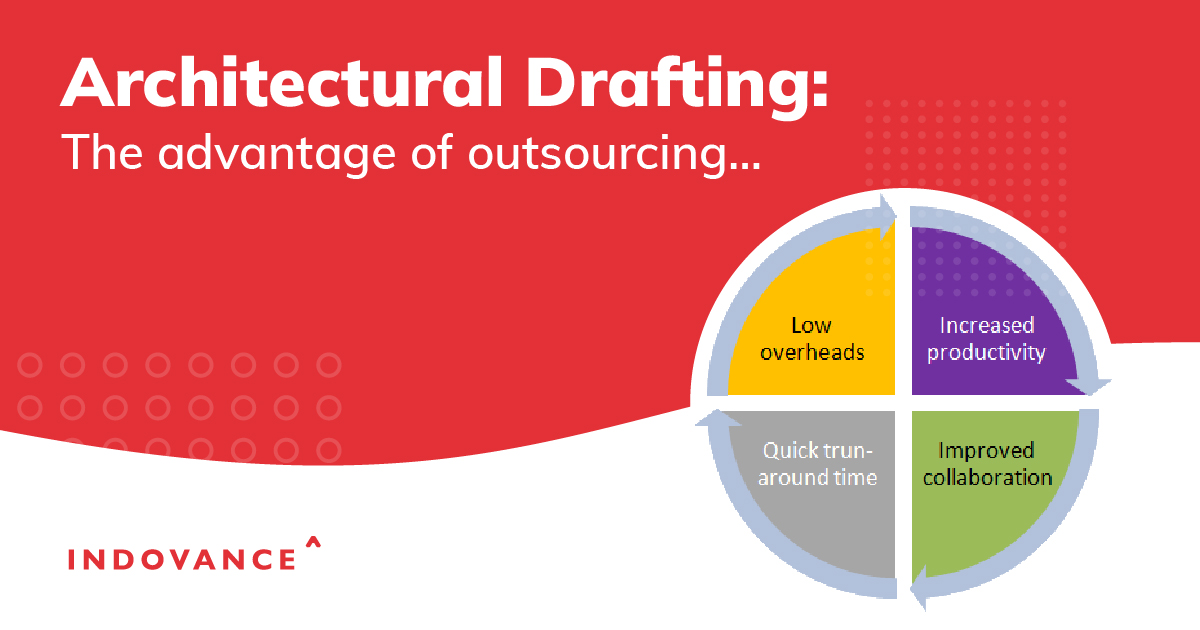
Outsourcing CAD conversion services has become a strategic decision for several companies. It offers manifold advantages in accessing expert talent, reducing overhead costs, and concentrating on the core competencies when a business partners with a specialized CAD conversion outsourcing company.
- Access to Expertise: Outsourcing CAD conversion services opens the door to a talent pool of professionals specializing in 2D to 3D conversions. This ensures the final output is delivered using the latest software and techniques.
- Savings on Costs: Outsourcing negates the need to invest in expensive 2D-to-3D CAD conversion software and training staff in-house. This therefore acts to cut costs for a business to reduce overheads without necessarily affecting quality.
- Faster Turnaround Times (TAT): This is one of the reasons companies will outsource CAD conversion services: to increase the speed at which projects are done. With a dedicated team working on the conversion, businesses can meet tight deadlines without compromising on quality.
- Focus on Core Competencies: Outsourcing non-core activities such as CAD conversion will allow a firm to focus on its core competency, for instance, product development and customer service. The impact of this trend is greater efficiency and a rise in overall performance.
CAD conversion is an important link in contemporary engineering and design. The advantages range from good visualization through improved accuracy up to collaboration on conversion of 2D drawings to 3D models. Be it for speeding up the design process, reducing costs, or even enhancing your overall production, an investment in 2D to 3D conversion services will be just perfect.
Furthermore, CAD conversion outsourcing is cost-effective and efficient for companies that wish to leverage these benefits to the fullest. Firms that would wish to remain ahead in such cases have every reason to make sure that CAD conversion allows their designs to remain abreast of any challenge which may arise from the marketplaces of tomorrow.